Keystone PM Group
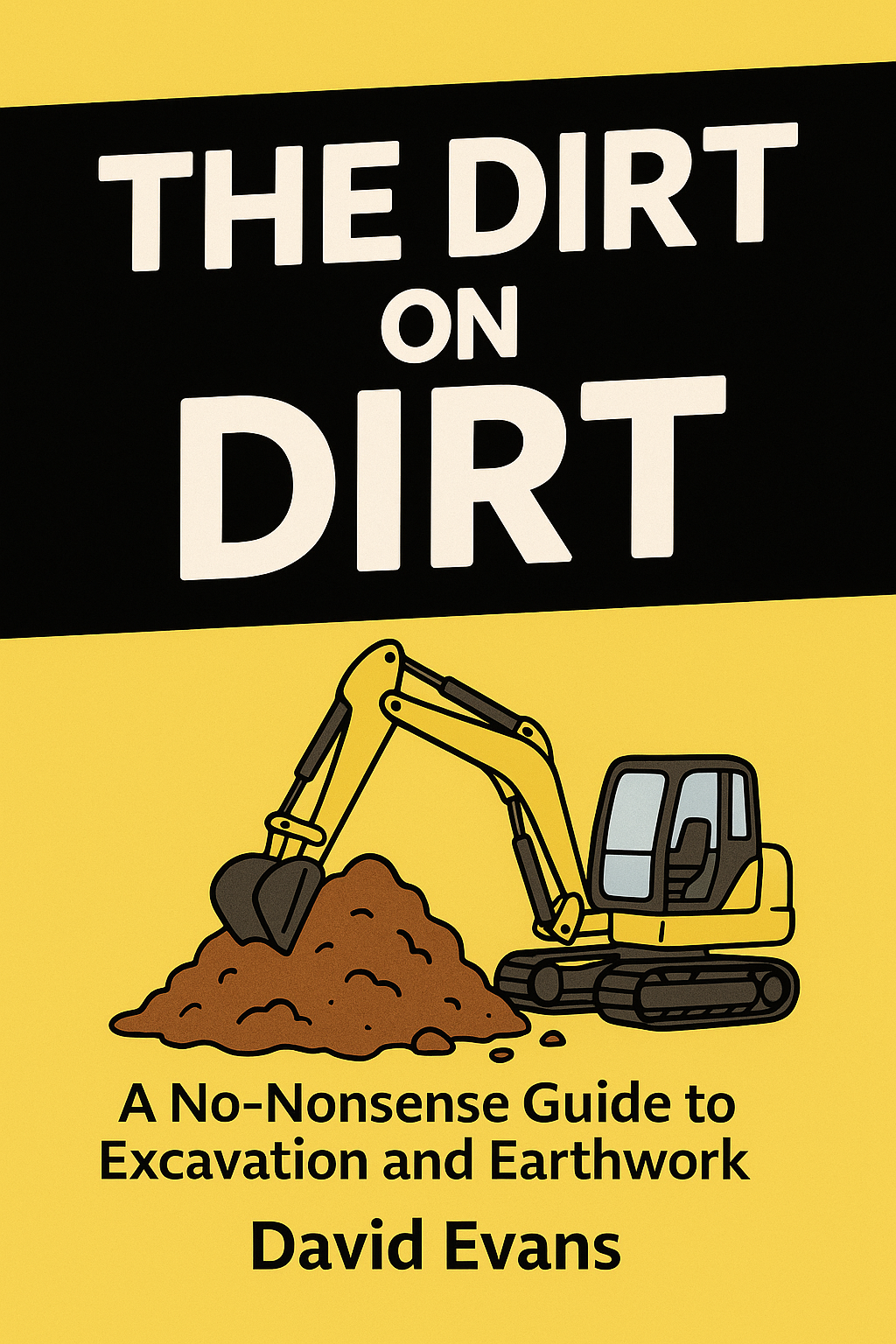
Pain Points on Trenches: Safety Protocols Every Crew Must Know
Pain Points on Trenches: Safety Protocols Every Crew Must Know
Couldn't load pickup availability
Cost-Savings
-
Reduced probability of a trench collapse incident: When crews follow solid trench-safety protocols, risk goes down. A collapse or cave-in causes massive costs (downtime, equipment damage, injury claims). Investing in this guide helps avoid those.
-
Lower regulatory or compliance-related costs: If a trench or excavation job fails to comply with standards, you may face citations, stop-work orders, or increased oversight. The guide helps you meet those standards proactively.
-
Fewer production delays & re-work: Unsafe or unstable trench conditions often lead to work stoppage while conditions are corrected (sloping repositioned, shoring adjusted). A better safety-protocol guide helps reduce those interruptions, so your machines and crews move.
-
Reduced training/mentor time: Instead of creating your own trench-safety curriculum from scratch, you use this guide as a ready-made field tool. Saves time of senior staff or safety leads and accelerates crew readiness.
-
Improved bidding/contract positioning and fewer margin penalties: If you show you have a credible trench-safety program (backed by this guide), you’re more likely to win bids or avoid cost overruns tied to safety issues. Over time, that preserves margin.
-
Lower insurance or indirect liability costs: With better safety performance (fewer incidents, near-misses) your EMR (experience modification rate) stays manageable, insurance premiums stay lower, fewer indirect costs of injuries (lost time, morale).
Share