Keystone PM Group
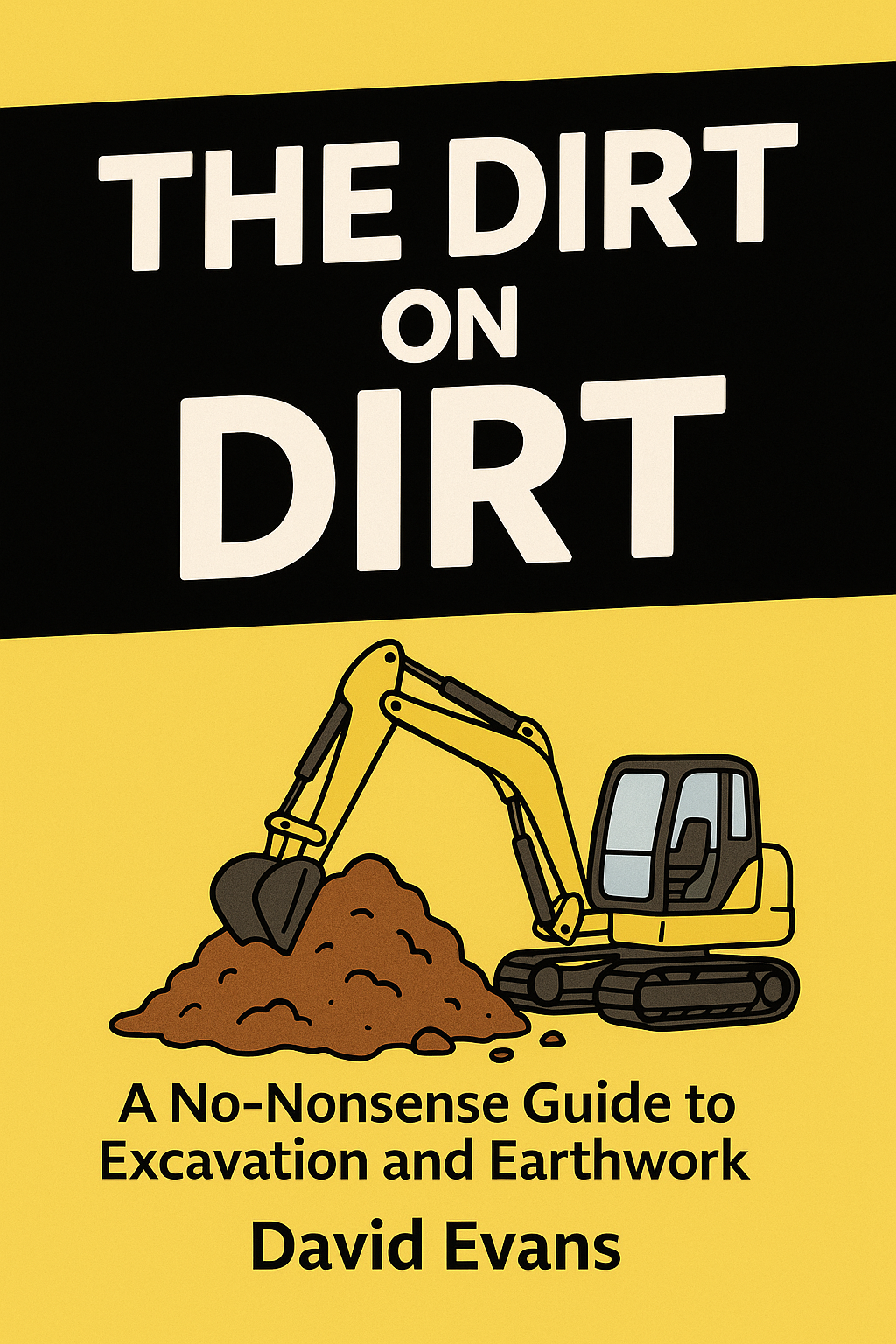
The Dirt on Operating Safe: Heavy Equipment Protocols for Civil Crews
The Dirt on Operating Safe: Heavy Equipment Protocols for Civil Crews
Couldn't load pickup availability
Cost-Savings
-
Reduced downtime from equipment incidents: Heavy equipment accidents (rollovers, struck-by, entrapments) cause not just injury risk but machine downtime, repair cost and lost productivity. Using the guide reduces that risk. mchpartsnyc.com
-
Lower repair and maintenance cost via better inspections and use: A well-inspected, well-operated machine tends to avoid major breakdowns. The guide’s pre-shift/inspection emphasis means fewer surprise repairs and less unplanned idle time. ToolSense
-
Improved productivity per machine/crew hour: Better equipment-safety practices mean fewer stop-work events, fewer machine-operator injuries, fewer near-miss investigations — this saves labour and machine hours.
-
Reduced liability, insurance and EMR impacts: Fewer incidents translate into fewer claims, potentially fewer insurance premium hikes, fewer regulatory citations — all of which preserve margin.
-
Better asset lifespan and depreciation control: Machines that are operated safely, inspected and maintained properly will likely last longer or avoid early replacement — this improves ROI on capital investment.
-
Better bid handling and margin protection: If you can show your fleet is operated safely and reliably, you’ll incur fewer risk-costs hidden in your bids (less risk contingency required), so margin holds.
-
Training/supervision cost savings: Rather than constantly firefighting operator safety issues, you streamline training and supervision with a consistent guide, freeing leadership time for higher value tasks.
Share