Keystone PM Group
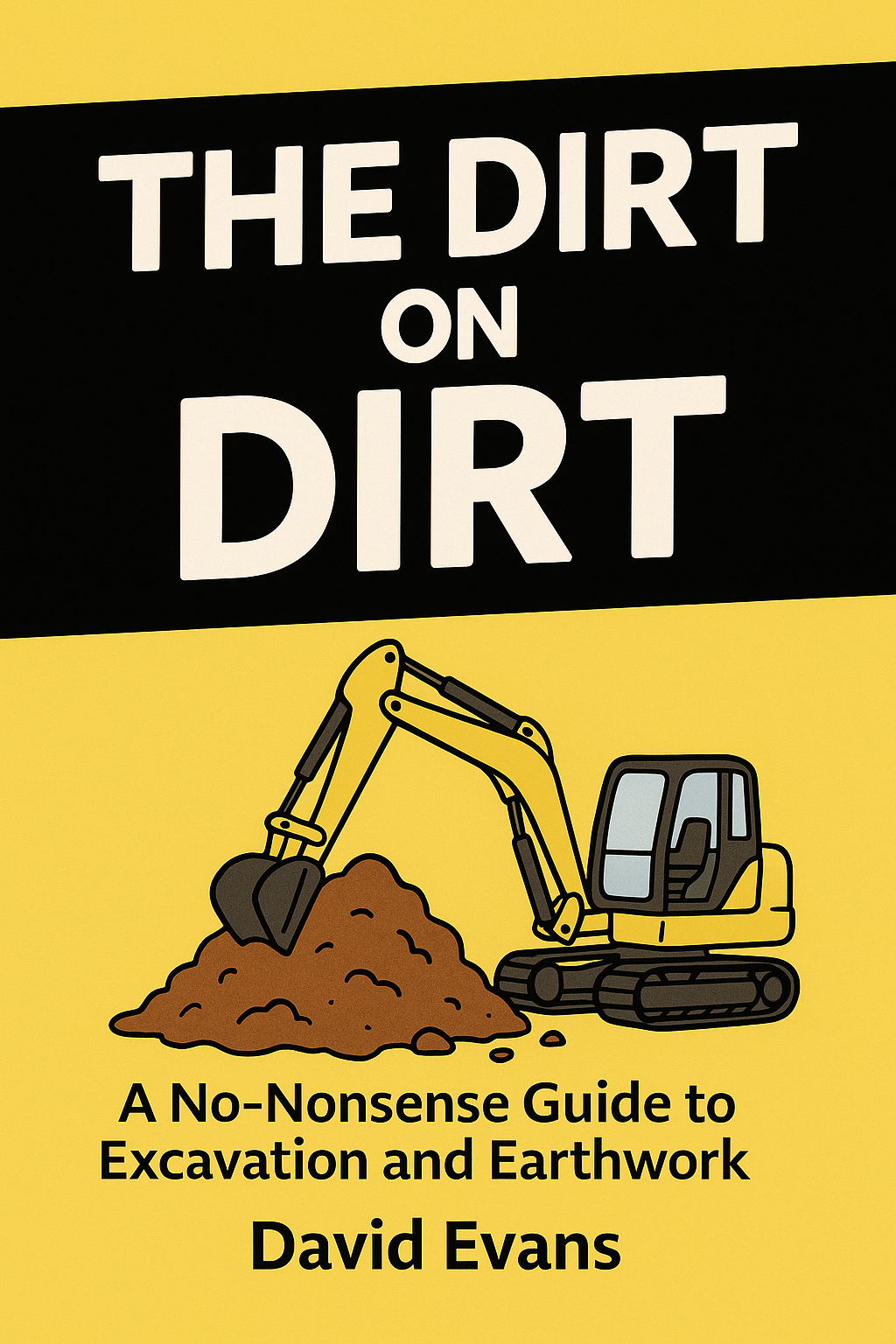
The Dirt on Excavation Protocols: How to Enforce Safety Fundamentals
The Dirt on Excavation Protocols: How to Enforce Safety Fundamentals
Couldn't load pickup availability
Cost-Savings
-
Reduced collapse/incident risk: Excavation/trench collapses are among the most dangerous events on a jobsite and drive large costs (injury, equipment damage, downtime). A solid fundamentals guide helps reduce that probability.
-
Lower downtime and lost production: When excavation safety isn’t managed well, you get stoppages, re-work or extended time while hazards are corrected. With better fundamentals, fewer of those events → more production time.
-
Fewer repair/re-work costs: Unsafe or poorly planned excavation may require re-excavation, additional shoring, spoil-pile relocation — increasing cost. Fundamental safety knowledge prevents many of those hidden costs.
-
Lower training/time cost per new crew member: Instead of building a safety fundamentals curriculum from scratch per project or spending lots of senior time on each new hire, you have a structured guide. Leadership time = money.
-
Better contract margin / fewer risk contingencies: A contractor with strong excavation fundamentals has fewer surprises, fewer hidden costs; less need to over-pad bids for risk → better margins.
-
Reduced liability/insurance cost impact: With fewer incidents and safer excavation practices, experience modification rates (EMR) and insurance premiums are likely more favorable—and workers’ comp/incident costs stay down.
Share